
Hiking Through Okanagan History: The Fur Brigade Trail
There’s something different about hiking the Fur Brigade Trail.
Not just because of the stunning views over Okanagan Lake and the valley, or the journey to the summit, but because this trail has been travelled for thousands of years.
Long before highways connected communities through the Okanagan, Indigenous peoples used these routes to travel, trade, and move throughout the interior. Then in the early 1800s, fur traders began travelling these same ridgelines on horseback, carrying supplies, pelts, and trade goods through British Columbia as part of the historic Fur Brigade Trail.
And today, you can still hike sections of that same route.
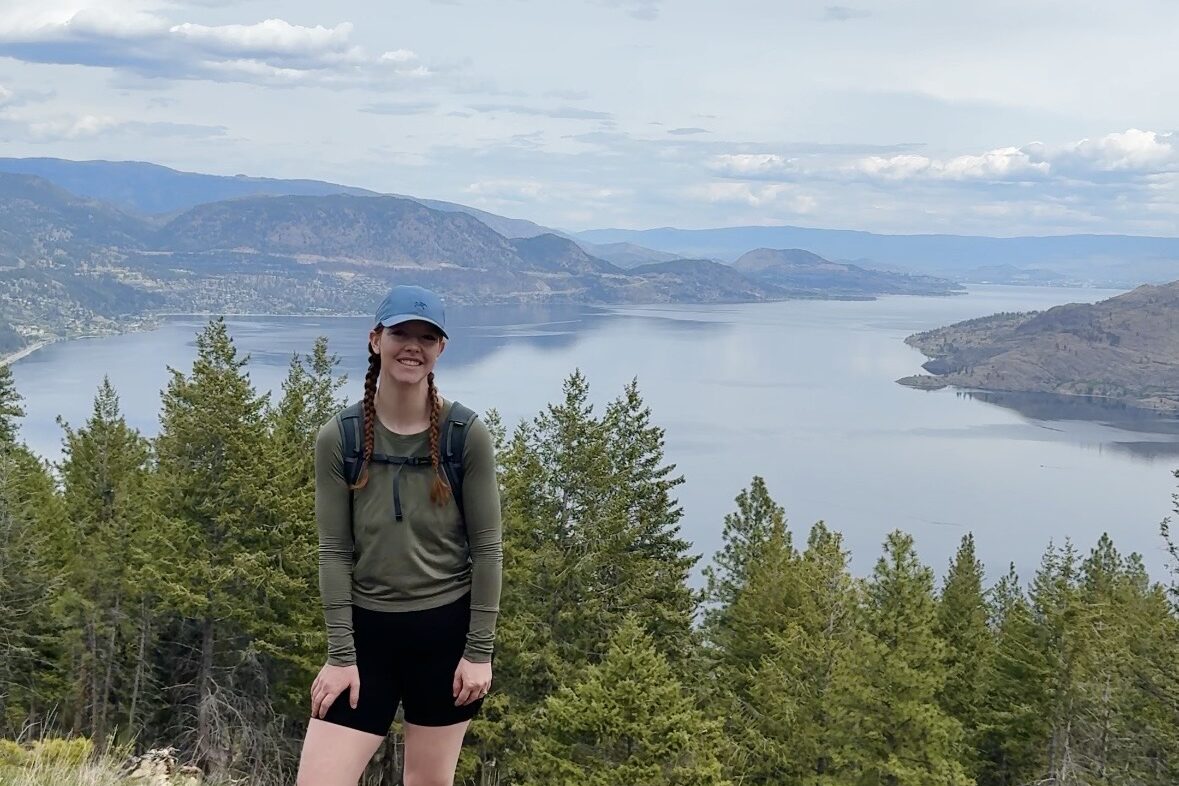
As we made our way through the forests and viewpoints above the valley, it was impossible not to imagine what this route would have looked like hundreds of years ago with long lines of pack horses moving through the mountains.
If you’re looking for one of the most unique hikes in the Okanagan that combines incredible scenery with deep local history, the Fur Brigade Trail absolutely deserves a spot on your list.
The History That Makes This Trail So Special

The history of the Fur Brigade Trail goes back far beyond the fur trade itself. *image credit to the Westbank Meuseum
Long before European traders arrived in the Okanagan, Syilx peoples used interconnected travel and trade routes throughout the valley and interior for thousands of years.
Some sections of these historic routes throughout the Okanagan have been dated back over 6,000 years. These pathways connected communities throughout the Columbia and Fraser River systems and were used for trade, travel, gathering, and cultural connection.
In 1811, fur traders from the Pacific Fur Company and North West Company began exploring these existing Indigenous trade routes through the Okanagan. What eventually became known as the Okanagan Fur Brigade Trail quickly became one of the most important transportation corridors in early British Columbia.
Rather than travelling entirely by canoe, brigades would move through this region on horseback!Ssometimes with hundreds of pack horses carrying furs, supplies, food, and trade goods between the trading posts.
The route connected what was known as Fort Okanagan near the Columbia River north toward Kamloops and beyond.
One of the coolest things about hiking the Fur Brigade Trail today is realizing that you’re walking through a route that shaped so much of the early history of the Okanagan and interior British Columbia.

Hiking the Fur Brigade Trail from the Peachland Side
The Peachland side of the Fur Brigade Trail feels a little rugged and adventurous right from the start! Only a few steps in we were already stopping to admire the view!
Trail access begins up a short dirt roads above Peachland right past Hardy Falls! The Peachland section is more challenging overall, with some elevation gain and longer stretches of exposed climbing, but the views over Okanagan Lake make it absolutely worth it.

This section of trail is roughly 8 km round trip with around 300 metres of elevation gain depending on where you start and how far you continue. Along the way, you’ll pass through sections of forest, rocky viewpoints, and open ridgelines overlooking the valley below. While researching online for this blog post, I read that there is actually a trail guestbook approximately 1km into the trail from this side! We didn’t see it, but keep an eye out!
We’d definitely recommend downloading offline maps ahead of time, but the trail had decent signage to help you make your way.
Hiking the Fur Brigade Trail from the Summerland Side
The Summerland side of the Fur Brigade Trail offers a totally different experience, and you can actually drive all the way to the viewpoint from this route!
Starting near Garnet Valley and Priest Camp Historic Park, this section feels more connected to the historical side of the trail right away. The drive alone through Garnet Valley is beautiful, winding through quiet backroads that already feel far removed from the busier parts of the Okanagan.
The most popular access point begins near Priest Camp Historic Park, a preserved historic site along the original Okanagan Brigade Trail. Compared to the Peachland side, the Summerland section feels a little gentler overall and is a great option if you’re more interested in the historical significance and scenery rather than a more physically demanding hike.

This side of the trail also feels incredibly peaceful. Even during spring and summer, it’s possible to spend long stretches out here without seeing many other people.
This Hike Deserves a Spot on Every Okanagan Bucket List
The Fur Brigade Trail ended up being so much more than just another hike in the Okanagan for us. As locals, finding a spot like this is always really special.
Yes, the scenery is incredible. The views over Okanagan Lake, the quiet forests, and the feeling of being completely removed from the busier parts of the valley make this trail worth exploring on its own. But what really stayed with us was the history behind it.
There’s something powerful about realizing that people have been travelling these same routes for thousands of years. First by Indigenous communities moving throughout the interior for trade, travel, and connection, and later by fur brigades carrying supplies and furs through British Columbia on horseback.
Whether you decide to explore the Peachland side, the Summerland side, or both, the Fur Brigade Trail is one of the most unique hikes in the Okanagan
It’s the kind of trail that stays with you long after the hike is over.

If you’re visiting the Okanagan and want to explore more of our favourite beginner to moderate hikes around Kelowna, check out our guide here!