Your Guide To Yoho National Park: The Rockies Of BC
Tucked along the edge of the British Columbia and Alberta border, Yoho National Park is one of those places that quietly surprises you. It doesn’t always get the same attention as its famous neighbours, but that’s exactly what makes it so special.
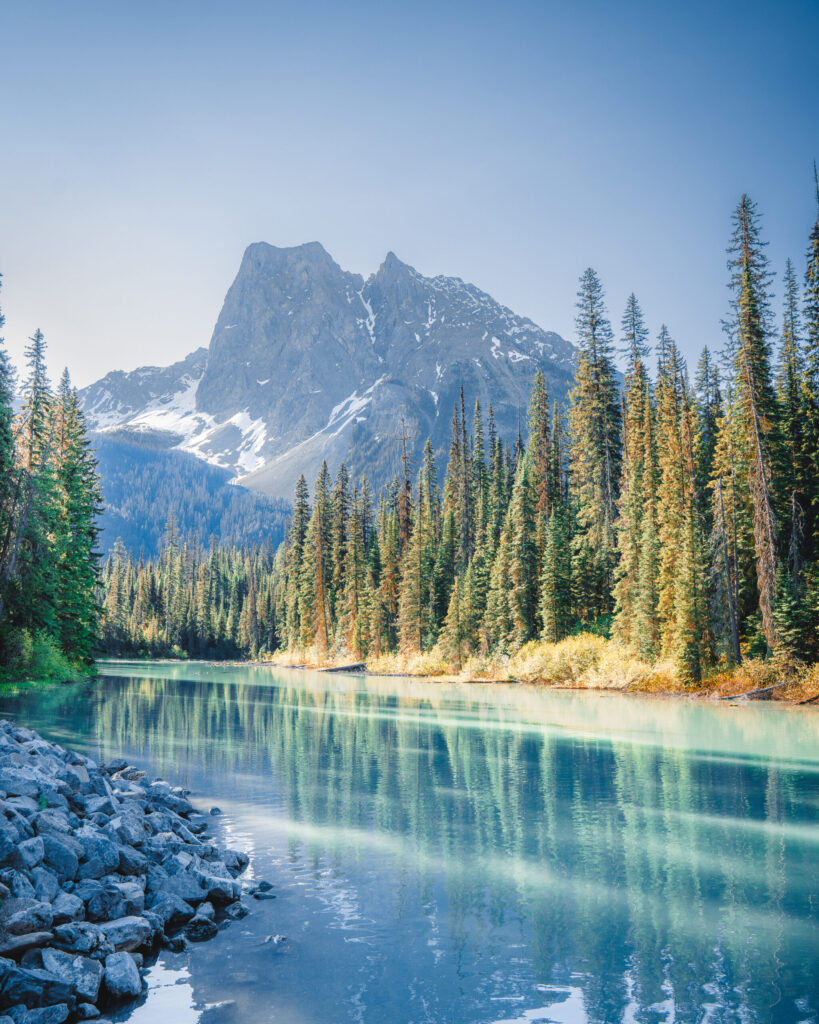
Yoho is one of our favourite national parks in British Columbia. It feels wild, accessible, and incredibly rewarding.
In a single day, you can stand beneath one of Canada’s tallest waterfalls, walk alongside an unreal emerald-coloured lake, or cross a historic natural rock bridge carved by water, all without committing to long or technical hikes.
Located just an hour west of Lake Louise and Banff, Yoho is often passed through rather than explored. But if you slow down and give it the time it deserves, it quickly becomes clear that this park offers some of the most beautiful and diverse scenery in the Canadian Rockies! Often with fewer crowds and a more relaxed pace.
This guide is designed to help you experience Yoho National Park intentionally. Below, you’ll find an overview of the park, practical travel tips, and the must-see stops that make Yoho so memorable. Each featured location also has its own dedicated guide, so you can dive deeper into the spots that interest you most and plan your visit with confidence.
Whether you’re road-tripping through the Rockies or looking for a quieter alternative to Banff, Yoho National Park is absolutely worth the stop.
Where Is Yoho National Park & How to Get There
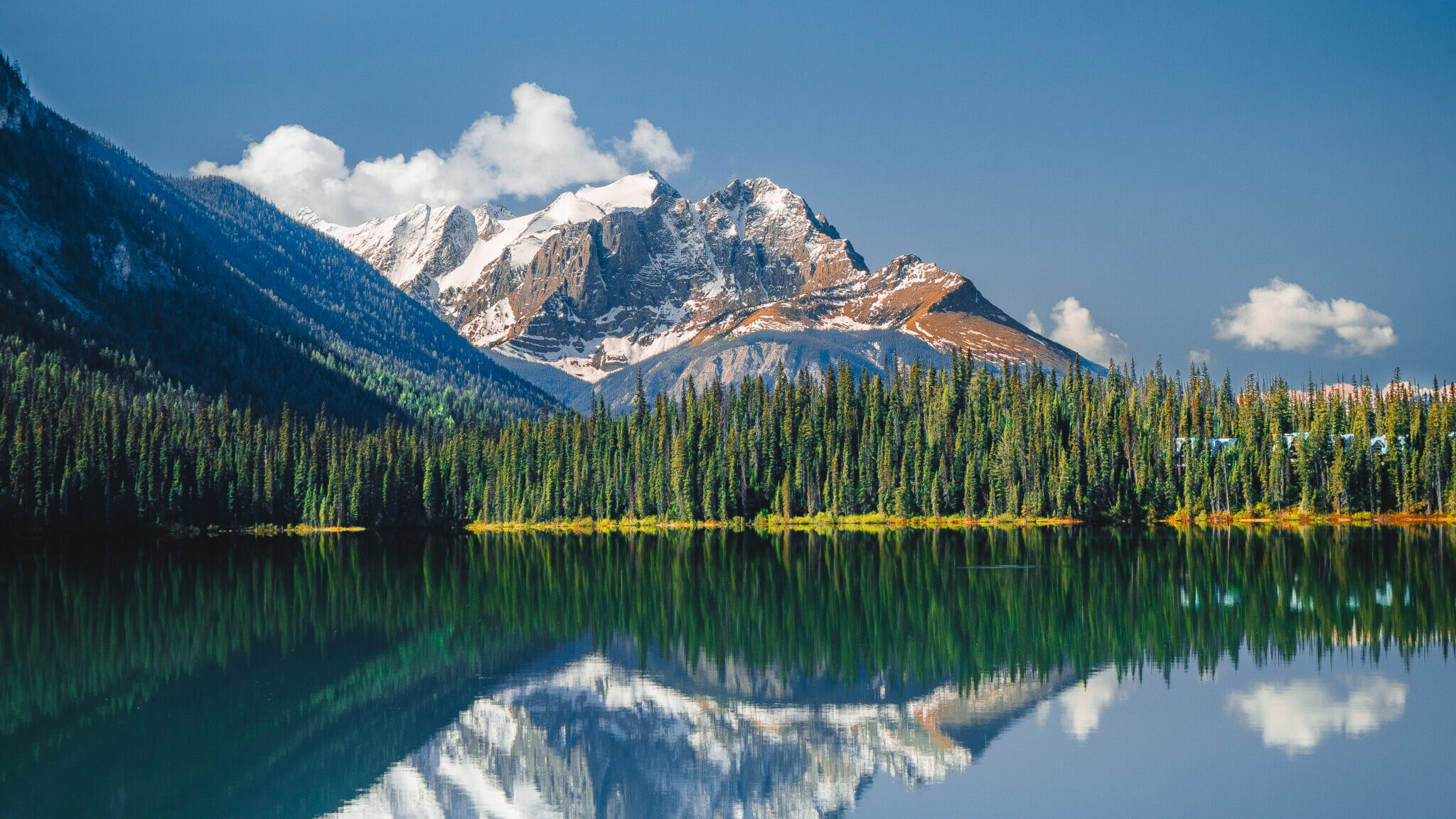
Yoho National Park is located in southeastern British Columbia, right along the border with Alberta. It sits between some of the most well-known destinations in the Canadian Rockies, making it an easy addition to a road trip through the region.
The park is bordered by Banff National Park to the east and is easily accessed from both British Columbia and Alberta via the Trans-Canada Highway, which runs directly through Yoho. Because of this, many visitors pass through Yoho without realizing just how many incredible stops are only minutes off the highway.
How to Get to Yoho National Park
From Lake Louise, AB: Yoho National Park begins just 15 minutes west of Lake Louise. Several of the park’s most popular stops are within a short drive once you cross into British Columbia.
From Banff, AB: The drive from Banff to Yoho takes approximately 1 to 1.25 hours, depending on traffic and stops along the way.
From Golden, BC: Golden is located just west of Yoho National Park and serves as a convenient gateway to the park. Many visitors base themselves here when exploring Yoho and the surrounding area. (Golden was where we stayed!)
Driving Through the Park
One of the things that makes Yoho so easy to explore is how well the main attractions are spread out along short side roads off the Trans-Canada Highway.
You don’t need to venture far into the backcountry to experience waterfalls, lakes, and viewpoints. Many of Yoho’s highlights are accessible with minimal walking.
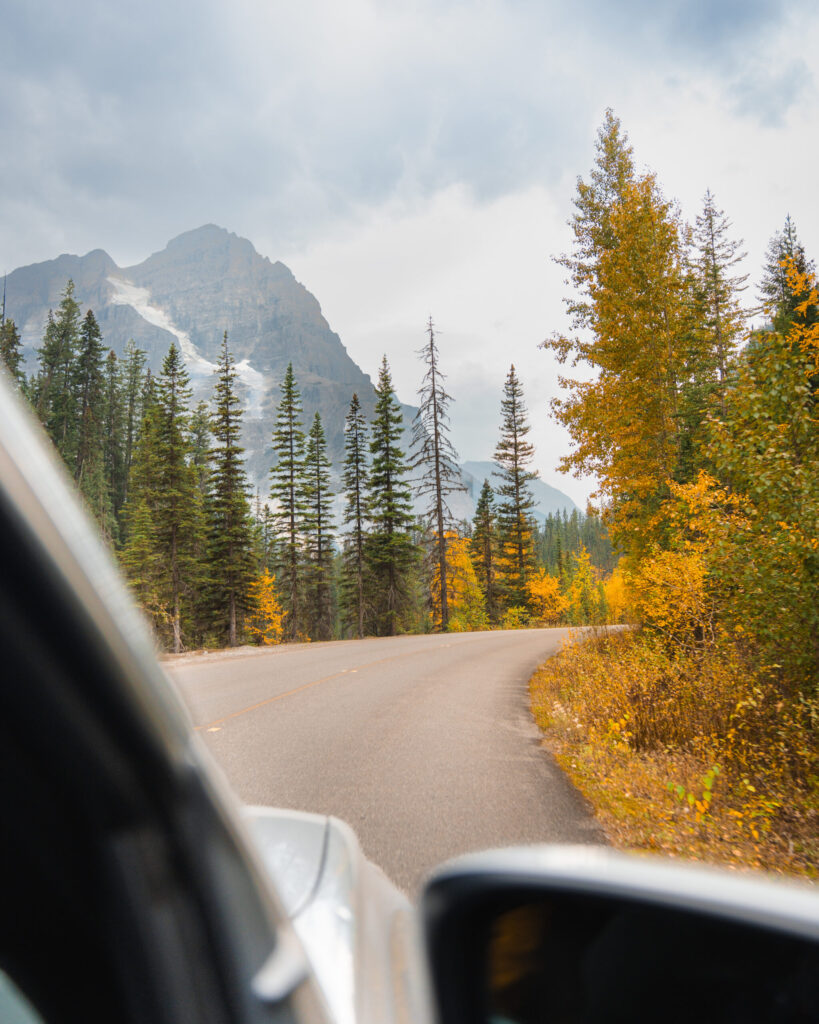
There are some notes to driving access depending on the season!
- The Trans-Canada Highway is open year-round, but some side roads and viewpoints may close seasonally.
- Late spring through early fall offers the easiest access to Yoho’s main attractions.
- In shoulder seasons, conditions can change quickly, so it’s always worth checking current road and weather updates before heading in.
Top Things to Do in Yoho National Park
Despite being one of the smaller national parks in the Canadian Rockies, Yoho National Park packs an incredible amount of scenery into a relatively small area! One of the best things about Yoho is that many of its most iconic sights are easily accessible, making it possible to experience waterfalls, lakes, and unique geological features all in a single visit, and even a single day.
Below are the must-see stops that make Yoho National Park so special. Each location offers something completely different, and together they showcase just how diverse this park really is.
Natural Bridge
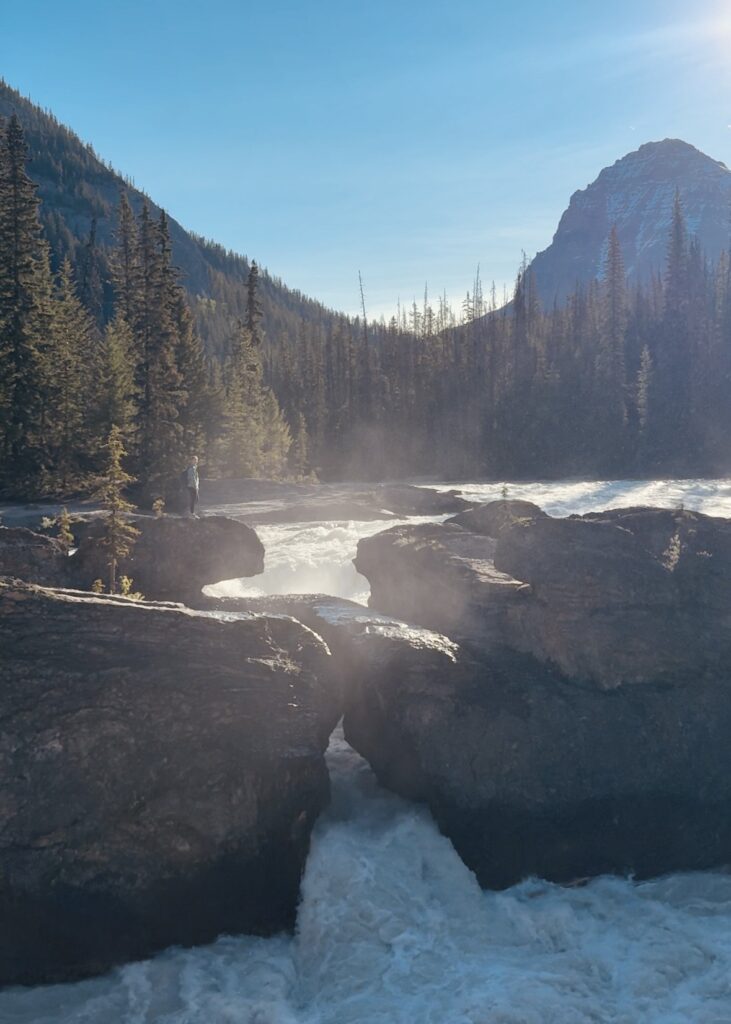
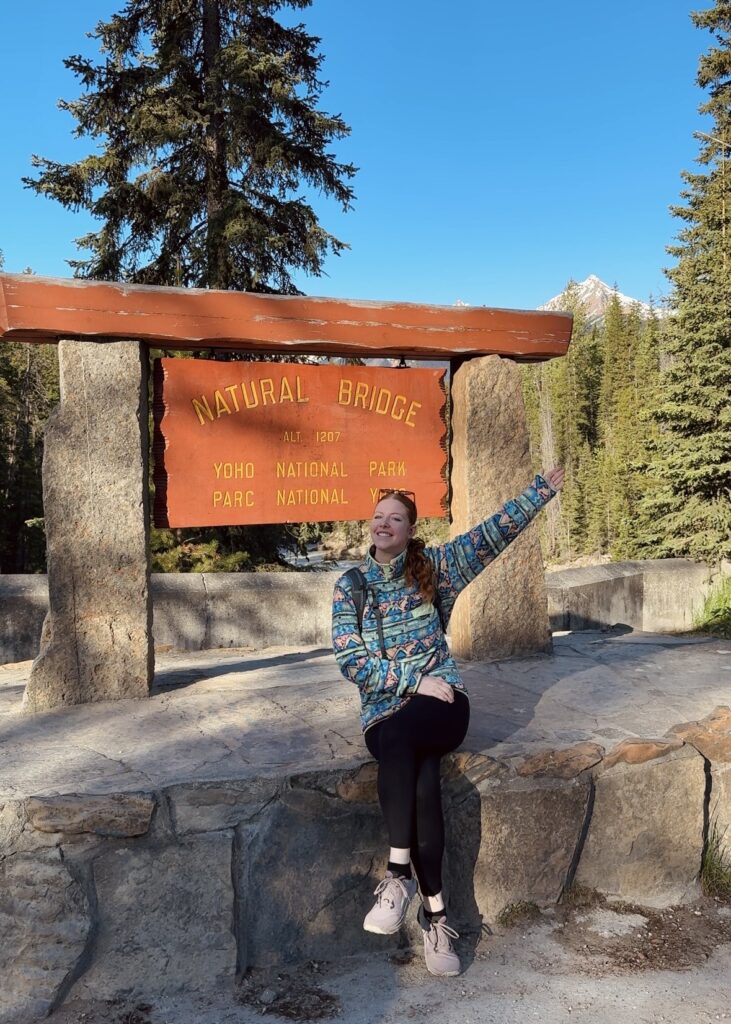
Natural Bridge is one of Yoho’s easiest and most fascinating stops. Here, the powerful Kicking Horse River has carved its way through solid rock, creating a natural stone bridge that you can walk right up to and view from multiple angles.
This is a great place to quickly appreciate the raw power of water in the Rockies. We highly recommend hitting this one first. It’s close to the park entrance, and the small parking lot fills up fast.
The river moves fast, the rock formations are beautiful, and the short walk from the parking area makes this a relaxing stop for all types of travellers. Whether you’re road-tripping through the park or stopping briefly as you pass through!
Takakkaw Falls
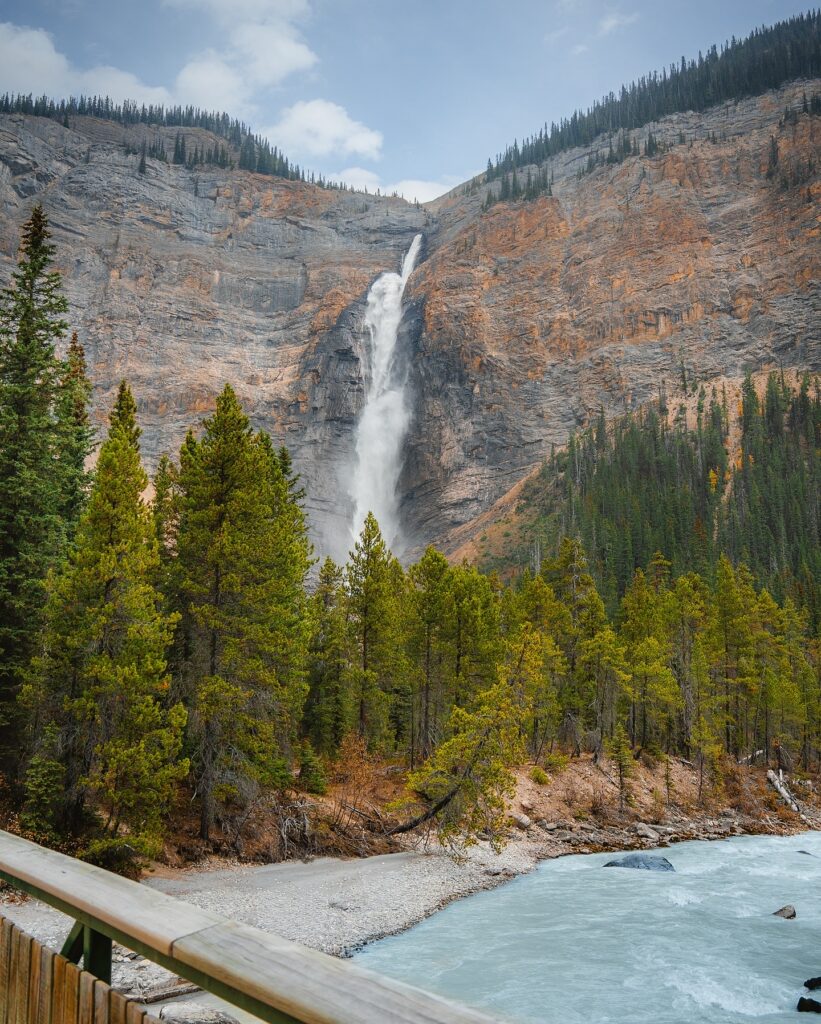
Takakkaw Falls is one of the tallest waterfalls in Canada and one of Yoho’s most impressive natural features. The sheer scale of the falls is hard to fully grasp until you’re standing near the base, feeling the mist and hearing the roar of the water as it crashes down the cliff face.
A short, well-maintained path leads from the parking area to viewing points near the falls, making this an accessible stop with a huge payoff. It’s a powerful reminder of the dramatic landscapes that define Yoho National Park.
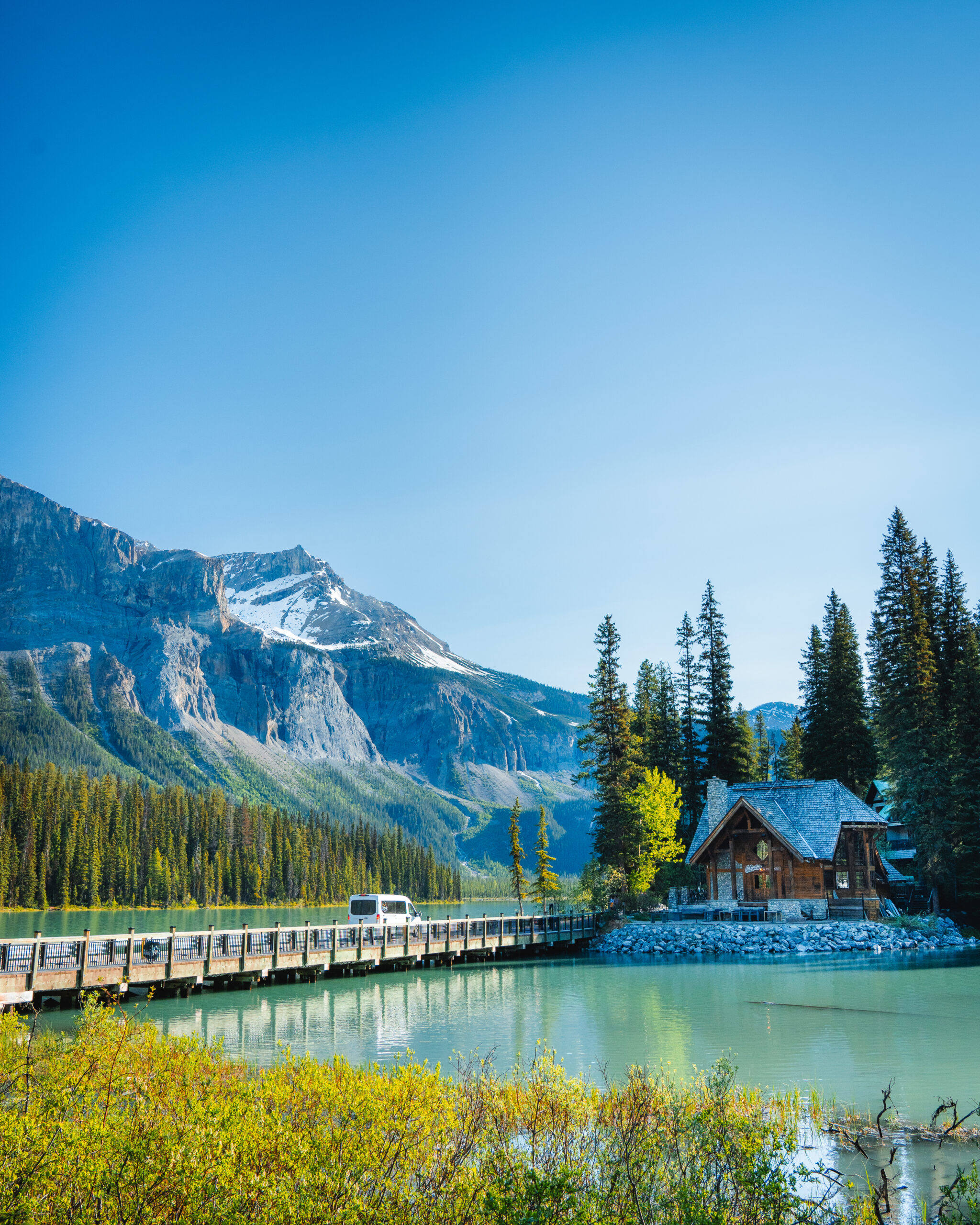
Emerald Lake
Emerald Lake is one of the most recognizable and photographed locations in Yoho National Park — and for good reason.
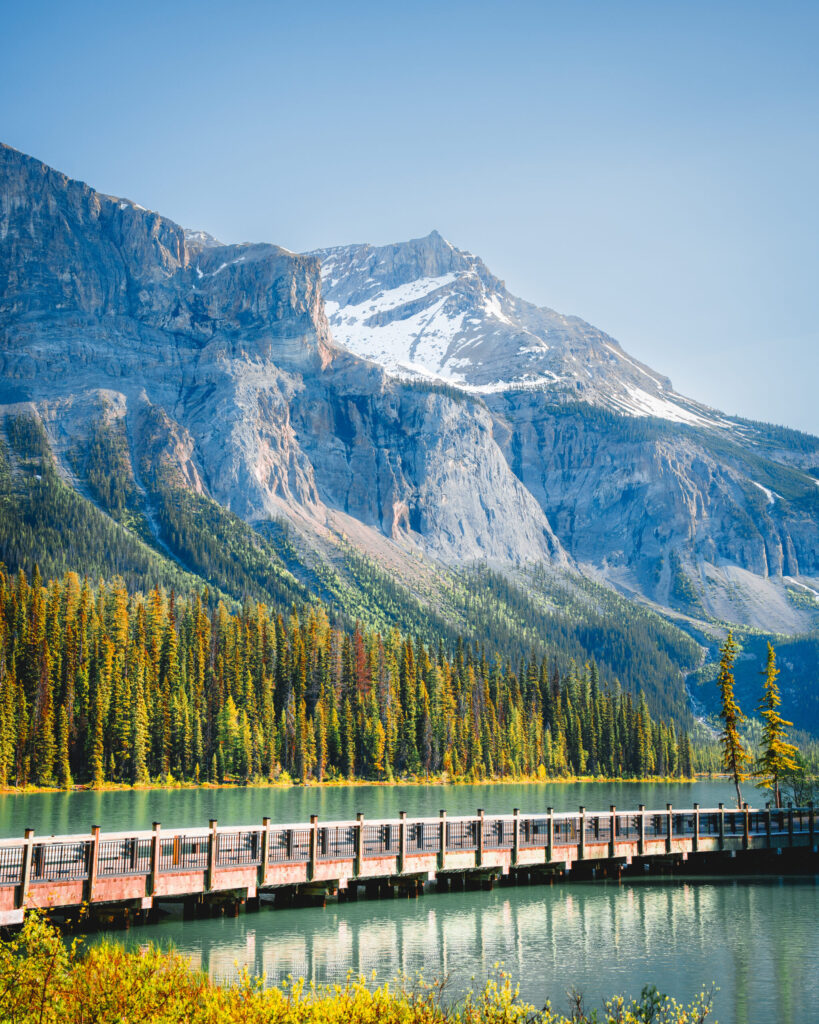
The vivid green-blue water, surrounding mountain peaks, and forested shoreline create a scene that feels almost unreal.
A flat trail circles the lake, making it perfect for a relaxed walk while taking in the views.
Whether you choose to walk part of the loop or simply enjoy the lake from the shoreline, Emerald Lake is a place that invites you to slow down and take it all in.
Wapta Falls
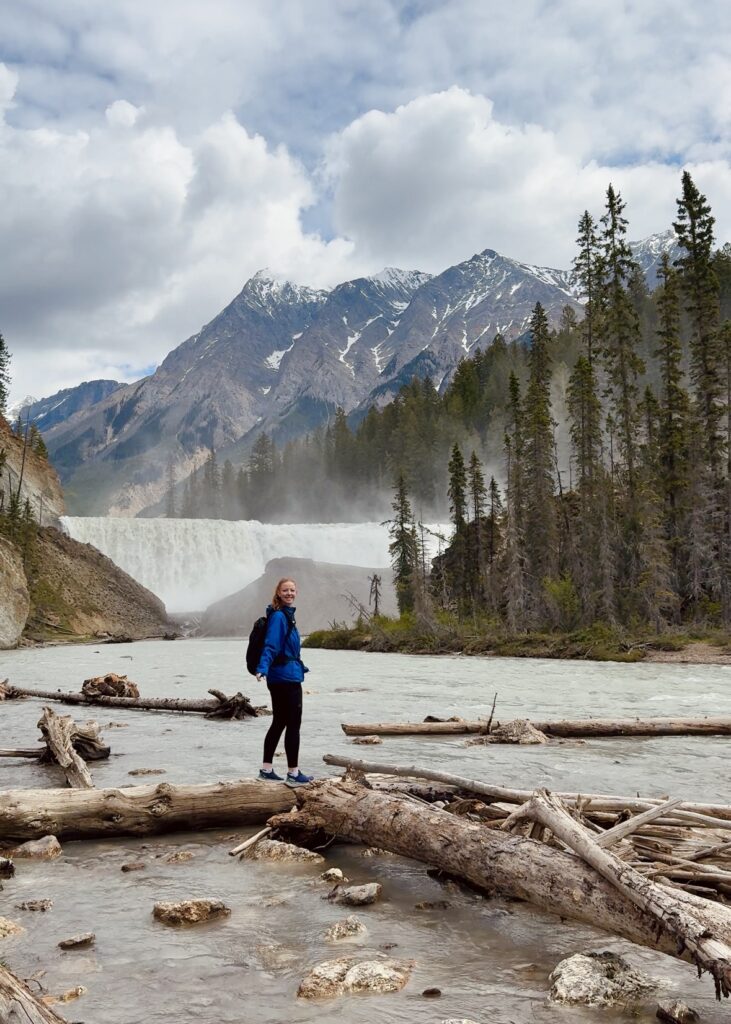
Wapta Falls offers a completely different waterfall experience than Takakkaw. Instead of height, Wapta impresses with its width and force. The water spreads across a wide section of the river, creating a thundering cascade that feels wild and untamed.
Reaching Wapta Falls involves a short hike through the forest, adding to the sense of adventure. Standing near the falls, you really get a sense of the scale and power of the river as it moves through the landscape.
Why These Stops Deserve To Be On Your Yoho Itinerary
What makes these places special isn’t just how beautiful they are, but also how semlessly they fit together. Within a relatively short drive, you can experience some of the best waterfalls, lakes, and landmarks in the Canadian Rockies, all without needing advanced hiking skills or extensive planning.
These stops form the foundation of any Yoho National Park visit and are the perfect starting point for exploring the park more deeply.
How to Plan a Perfect Day in Yoho National Park
One of the best things about visiting Yoho National Park is how easy it is to experience a lot in a short amount of time. Because many of the park’s most iconic stops are located close together, Yoho works incredibly well as a half-day or full-day destination, especially if you’re already travelling through the Rockies.
A Flexible Yoho National Park Day Itinerary
This isn’t a strict schedule, but rather a logical flow that minimizes backtracking and maximizes scenery.
- Natural Bridge
- Emerald Lake
- Takakkaw Falls
- Wapta Falls
Starting with the easier roadside stops and finishing with the short hike to Wapta Falls helps balance the day and keeps things feeling relaxed rather than rushed.
Things to Know Before You Visit
Before heading into Yoho National Park, there are a few important things to keep in mind to help your visit go smoothly. Yoho is easy to explore, but it’s still a wild mountain destination so being prepared makes a big difference.
A National Park Pass Is Required
Yoho National Park is part of Canada’s national park system, and a valid park pass is required to visit. Passes can be purchased in advance or at park entry points, and they help support conservation and park maintenance.
If you’re reading this blog in 2026, the Governent of Canada is once again bringing back the Canada Strong Pass, which allows FREE access to all national parks during the summer.
For more information, check here!
Cell Service Is Limited
Cell service in Yoho can be unreliable or unavailable in many areas of the park. It’s best to:
- Download maps ahead of time
- Save any guides or directions offline
- Let someone know your plans if you’re hiking
Once you’re in the park, it’s best to assume you won’t have consistent signal!
Wildlife Is Part of the Experience
Yoho is home to a wide range of wildlife, including bears, elk, and mountain goats. Seeing animals can be an incredible experience, but it’s important to:
- Keep a safe distance
- Never approach or feed wildlife
- Stay aware, especially on quieter trails
Always respect wildlife and give them plenty of space.
Leave No Trace
Yoho’s beauty depends on visitors treating the park with care. Simple actions make a big difference:
- Stay on designated trails
- Pack out everything you bring in
- Respect natural features and viewpoints
Following Leave No Trace principles helps keep Yoho wild and beautiful for all visitors and wildlife that live here!
Final Thoughts: Why Yoho National Park Is Worth the Stop!
In one visit, you can stand beneath towering waterfalls, walk along an unreal emerald-coloured lake, and watch powerful rivers shape the landscape in real time. It’s a park that offers big scenery without feeling overwhelming, and adventure without requiring advanced planning or long hikes.
If you’re travelling through the Canadian Rockies, Yoho is absolutely worth slowing down for.
Whether you have a few hours or a full day, the experiences here feel meaningful and unhurried. The kind of moments that remind us why these places are protected in the first place and need to be respected.
This guide is meant to give you a strong starting point, but each location in Yoho has its own story to tell. If you want to dive deeper, explore the individual guides linked throughout this post for more detailed tips and insights on each stop.
However you choose to experience Yoho National Park, take your time, stay curious, and leave room for the unexpected. That’s where some of the best memories are made.