Adra Tunnel Hike in Naramata, BC: Everything You Need to Know Before You Go
A Hidden Piece of History in the Okanagan
Big signs or crowded parking lots don’t mark some of the most memorable places. They’re the ones you almost miss if you don’t know to look for them.
Tucked into the hills above Naramata, along a quiet stretch of the Kettle Valley Rail Trail, is a century-old railway tunnel that many people drive past without realizing it’s up there. The Adra Tunnel.
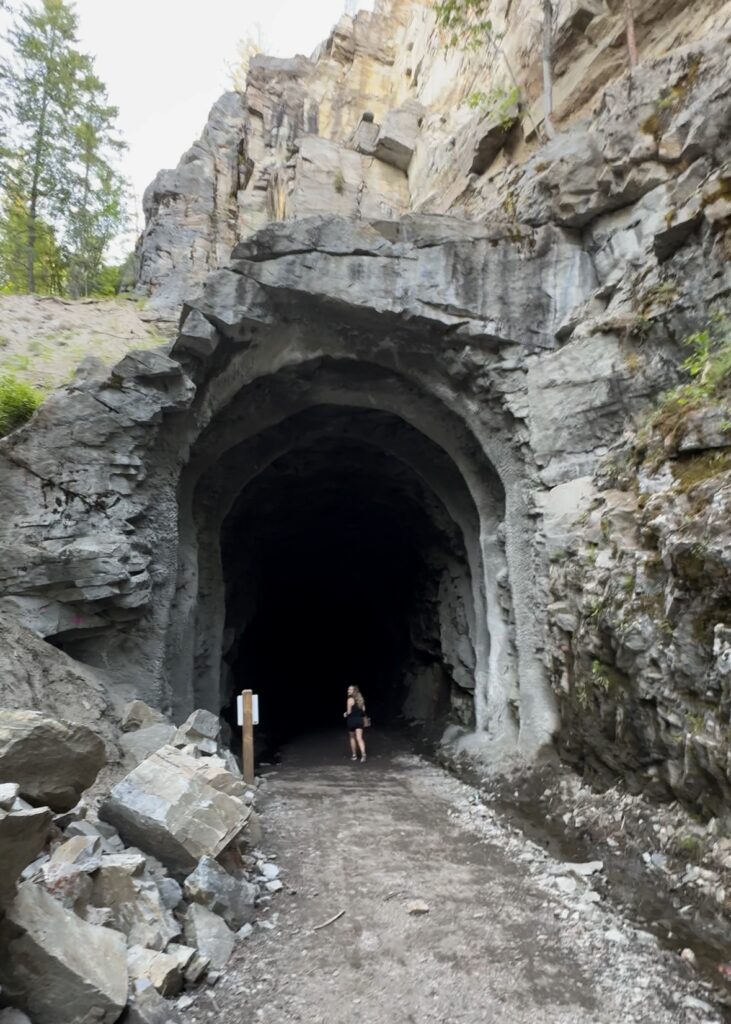
Built in 1913 and closed off for decades, this historic tunnel has slowly become one of the most unique and atmospheric walks in the Okanagan.
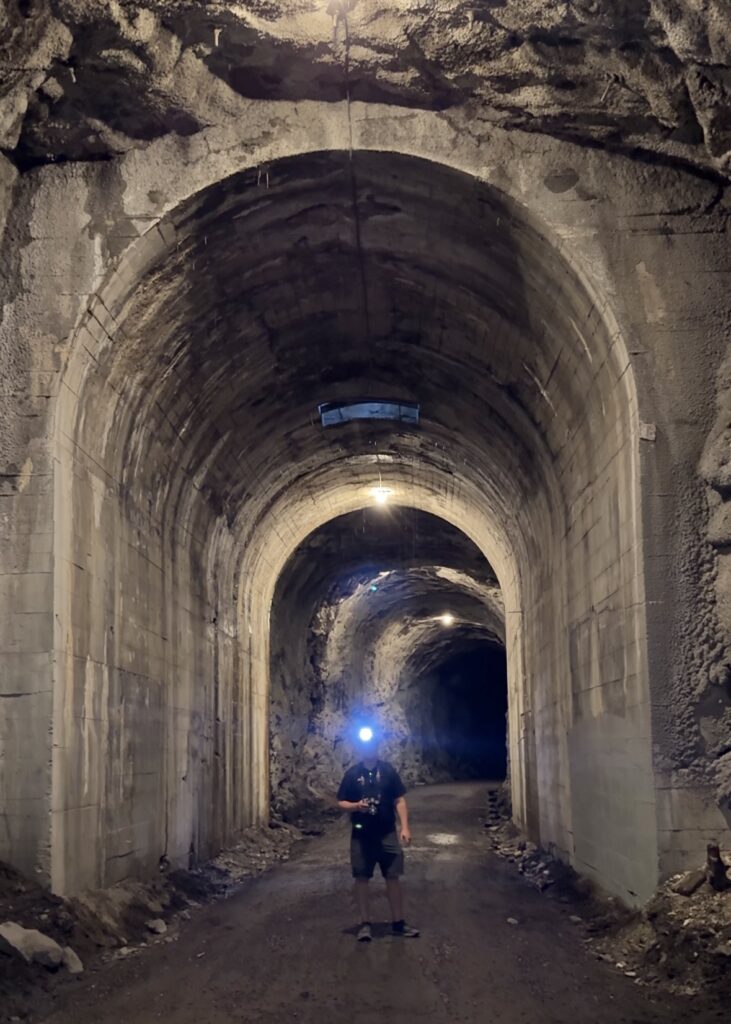
Stepping inside feels like stepping out of the present into a piece of history. The temperature drops, the light fades, and suddenly the noise of day-to-day life feels very far away.
Exploring here is truly an immersive experience!
What This Guide Will Help You Plan
This guide is designed to help you plan your visit with confidence, whether you’re stopping by on a road trip through the Okanagan or intentionally setting out to explore this section of the Kettle Valley Rail Trail.
Below, you’ll find:
- Where the Adra Tunnel is located and how to get there
- A look at the tunnel’s history and why it was built
- Important things to know before you go
If you’re drawn to places that feel a little off the beaten path, where history, nature, and quiet moments intersect, the Adra Tunnel hike is well worth adding to your list!
Where You’ll Find the Adra Tunnel
The Adra Tunnel sits above Naramata along the historic Kettle Valley Rail Trail.
The KVR is a multi-use trail that stretches hundreds of kilometres across southern British Columbia from Hope to Castlegar after the original railway was abandoned.
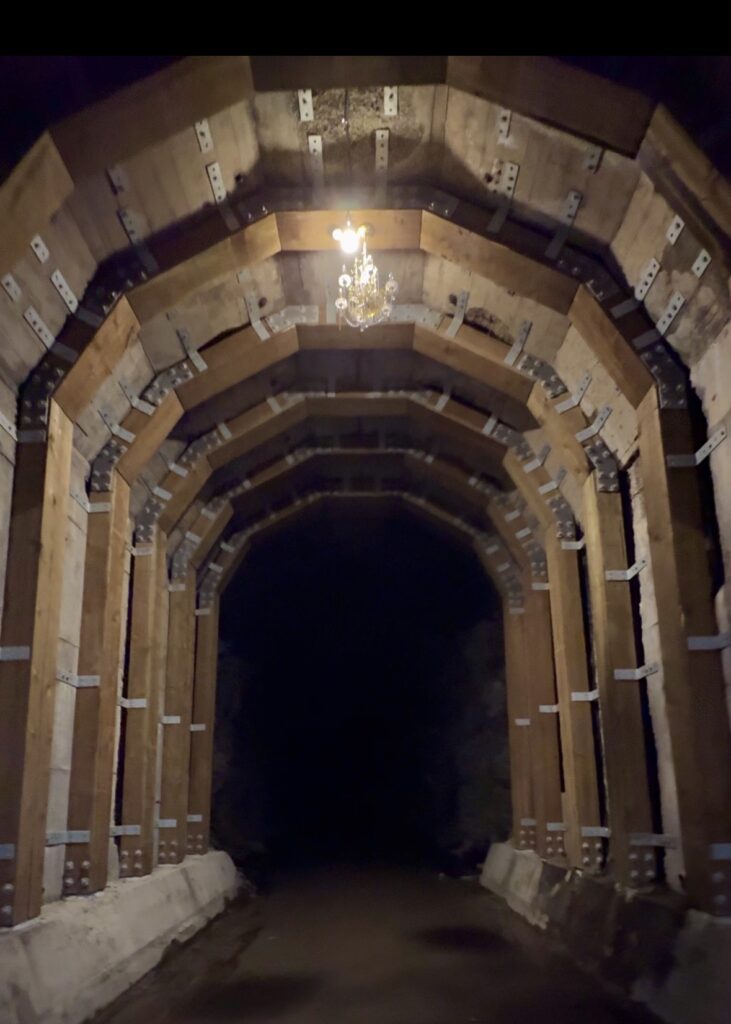
The Adra Tunnel itself is about 487 metres long and is the longest tunnel on the KVR Trail. It’s carved into the hillside above Naramata and connects sections of the trail that are popular with hikers and cyclists alike
Two Main Ways to Reach It
There are a couple of commonly used access options, from hiking to biking, depending on how you want to adventure:
Option 1 — Access from Smethurst Road (Shorter Hike)
The route that we took! This is a very popular and straightforward way to reach the tunnel:
1. Drive East from Naramata
Head out of Naramata toward Smethurst Road — you’ll find a small staging area/parking lot here near the wider KVR access.
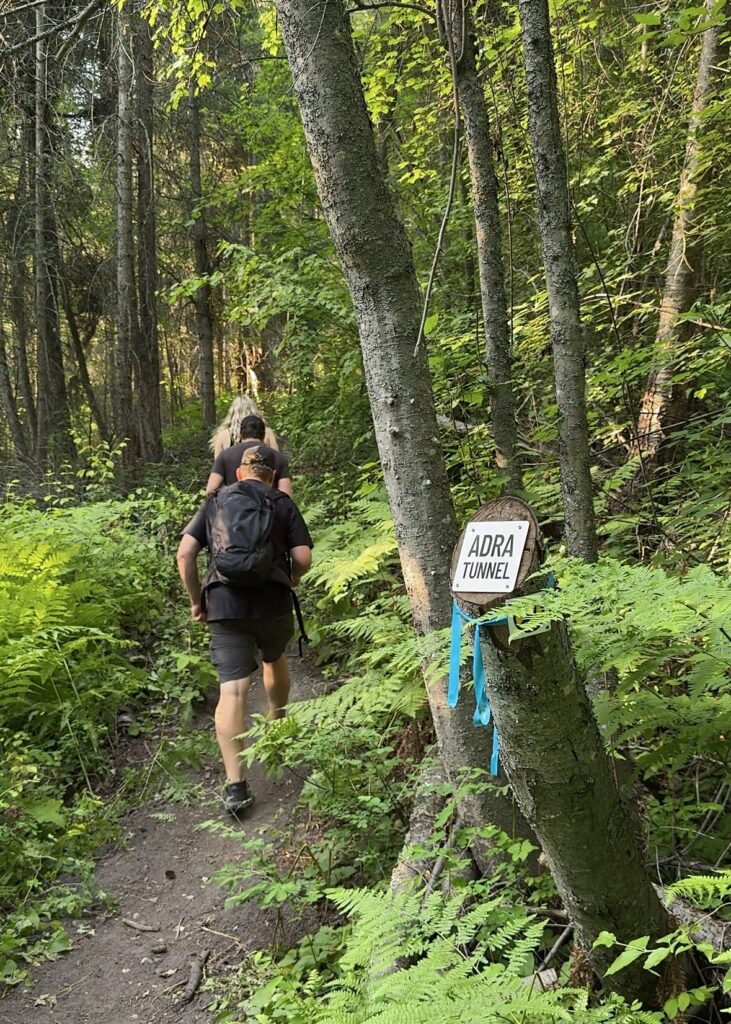
2. Start the Forest Trail
From the Smethurst staging area, you’ll follow a marked trail (often called the Sanchez to Adra Tunnel Service Road) roughly 750 metres to the south entrance of the tunnel.
The forest service road to the staging area is unmaintained and can be steep and rocky. A vehicle with good clearance is ideal. This route is great if you want to keep the approach short and spend most of your time in the tunnel.
Option 2 — Access the Adra Tunnel from the Kettle Valley Rail Trail (Longer Route)
If you want to experience the Adra Tunnel as part of a longer hike or bike ride, joining the Kettle Valley Rail Trail (KVR) is a great option. There are two popular access points depending on how far you’d like to travel and what kind of day you’re planning.
The Glenfir Recreation Site is one of the most commonly used access points for this section of the KVR.
- Located above Naramata, Glenfir offers parking and direct access to the rail trail
- From here, you’ll follow the wide, gently graded KVR toward the Adra Tunnel
- The route passes through forested sections and open hillside views overlooking the Naramata Bench
This option is ideal if you want a moderate hike or bike ride that still keeps the tunnel as the main highlight of your outing.
For a more immersive KVR experience, you can also access the trail from Chute Lake Lodge, a historic stop along the railway route.
- This access point sits higher in elevation
- The trail here is especially scenic, with long stretches of forest and gentle downhill grades
- Many cyclists choose this option for a longer, rewarding ride toward Naramata
Starting from Chute Lake Lodge turns the Adra Tunnel into part of a half-day or full-day adventure, rather than a short out-and-back walk.
What to Expect on the KVR Trail
- Wide, compacted gravel surface suitable for hiking and cycling
- Minimal elevation change, thanks to the rail-grade design
- Shared-use trail — expect to encounter cyclists, other walkers, joggers, dogs, or maybe even a horseback rider.
- Limited services once you’re on the trail, so bring water and essentials
No matter which access point you choose, the approach to the Adra Tunnel along the KVR adds context and atmosphere, helping you appreciate just how remote and ambitious this railway project once was.
Important Things to Know Before You Go
Bring A Proper Headlamp or Flashlight.
The tunnel is very dark, and while your phone flashlight might work in a pinch, it doesn’t provide enough light to comfortably see the ground ahead. A headlamp or strong handheld flashlight makes a huge difference — especially if you want to walk through confidently and safely.
Wear Sturdy Footwear.
The ground inside the tunnel is uneven and damp in places. Gravel, small rocks, and shallow puddles are common, depending on the season. Closed-toe shoes with good traction are recommended.
Expect Cooler Temperatures Year-Round.
The Adra Tunnel stays cool no matter the season. Even in summer, the temperature inside can feel dramatically colder than outside. If you’re visiting on a hot day, the cool air is refreshing — but if you’re sensitive to temperature changes, consider bringing a light layer.
The History of Adra Tunnel
Built for a Railway That Changed the Okanagan
The Adra Tunnel was constructed in 1913 as part of the ambitious Kettle Valley Railway, a massive railway project designed to connect southern British Columbia by rail.
At the time, the Okanagan was still remote and rugged. Steep terrain and unstable hillsides made travel slow and difficult. The railway promised growth, trade, and connection for communities across the region!
To make that possible, engineers had to carve a path directly through the landscape. The Adra Tunnel was one of their solutions.
Engineering Through Challenging Terrain
At nearly 500 metres long, the Adra Tunnel became the longest tunnel on the Kettle Valley Railway. Built straight through solid rock, it allowed trains to maintain a steady grade along the mountainside.
Construction in the early 1900s was labour-intensive and dangerous. Workers relied on hand tools, early drilling equipment, and explosives, carving the tunnel through the hillside long before modern machinery existed.
Progress was slow, conditions were harsh, and safety standards were far from what we know today.
Standing inside the tunnel now, it’s hard not to think about the scale of effort it took to create something so precise, durable, and lasting.
From an Essential Route to an Abandoned Passage
For decades, trains passed through the Adra Tunnel as part of daily life in the Okanagan. But as transportation shifted and rail use declined, the Kettle Valley Railway was gradually abandoned.
By the mid-20th century, sections of the line — including the Adra Tunnel — were closed off entirely. This was due to severe structural instability, and two fires that destoyed the remaining timber supports.
For more than 40 years, the tunnel sat sealed and unused, slowly fading into the landscape and memory.
Reopening The Historic Landmark
The Adra Tunnel didn’t reopen because a big tourism project swooped in — it reopened because local people refused to let it stay forgotten.
Then, momentum started building again through a community group known as Woodwackers 2.0, made up of residents and business owners from the Penticton and Naramata area who wanted to see the tunnel safely restored and reopened.
Once rock stabilization was complete, final work included resurfacing the tunnel floor, adding drainage, and installing LED lighting. These changes helped make the tunnel safer and more accessible while still preserving its historic atmosphere.
In May 2025, the Adra Tunnel officially reopened for public use — the result of years of behind-the-scenes work, long stretches of volunteer effort, and a community that clearly cared about preserving a piece of South Okanagan history.
Final Thoughts & Why You Should Visit The Adra Tunnel
The Adra Tunnel isn’t a long hike or a big landmark, but it’s the kind of place that stays with you. It’s quiet, unexpected, and grounded in a history you can feel as you walk through it.
Whether you’re exploring the Naramata area for the day or intentionally seeking out lesser-known spots in the Okanagan, this adventure offers something a little different.
If you take the time to slow down and experience it fully, the Adra Tunnel is more than just a stop along the trail, but truly a step through history! If you’re visiting the Okanagan and want my help to plan more of your itinerary, check out my full travel guide here!